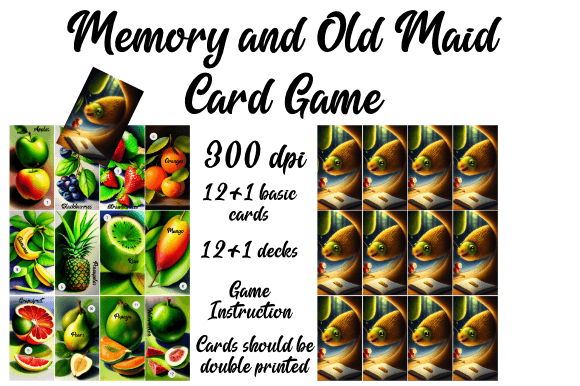
Exploring Classic Card Games: Old Maid and Memory for Fun, Strategy, and Skill
Introduction to Classic Card Games
Classic card games like Old Maid and Memory have stood the test of time, captivating players of all ages with their simplicity, strategic depth, and educational value. These games offer more than just entertainment; they help sharpen cognitive skills, encourage social interaction, and provide a nostalgic experience for both children and adults. Whether you're playing with family, friends, or in a classroom setting, these timeless games remain relevant and enjoyable.
Understanding Old Maid: A Game of Strategy and Luck
Old Maid is a beloved card game that has been played for generations. It is a game of both chance and strategy, where players aim to avoid being the one left with the "Old Maid" card—the odd card out in the deck. The game is typically played with a modified deck, where one card (often the Queen of Spades) is removed to create an uneven number of pairs.
How to Play Old Maid
- Prepare the Deck: Remove one card to create an uneven set. For example, in a standard 52-card deck, remove one Queen to leave 51 cards.
- Deal the Cards: Distribute all the cards evenly among the players. One player will end up with one extra card.
- Form Pairs: Each player looks at their hand and discards any pairs they have.
- Draw and Discard: Players take turns drawing a card from the player to their left or right, depending on the variation. If the drawn card forms a pair, the player discards it.
- End of the Game: The game continues until all pairs are matched and discarded. The player left with the unmatched card (the Old Maid) loses the game.
Strategic Elements in Old Maid
While Old Maid may seem like a game of pure luck, there are subtle strategies involved. Players can control the pace of the game by choosing when to discard cards or how quickly to draw from others. The psychological aspect of trying to avoid being the last player with the Old Maid adds a layer of excitement and tension to each round.
Why Old Maid Remains a Favorite
Old Maid is ideal for young children due to its simple rules and quick gameplay. It also offers opportunities for older players to engage in light strategy and social interaction. This makes it a versatile game for family gatherings, classroom activities, or even as a fun way to pass the time during travel.
Memory: A Game of Concentration and Cognitive Development
Unlike Old Maid, which focuses on avoiding the odd card out, the game of Memory challenges players to find matching pairs of cards by relying on their visual memory and concentration skills. Memory is an excellent tool for cognitive development, especially in children, and is widely used in educational settings to improve recall and attention span.
How to Play Memory
- Set Up the Cards: Shuffle a deck of cards and lay them face down in a grid pattern.
- Take Turns: Players take turns flipping over two cards at a time, trying to find a matching pair.
- Match and Keep: If a player finds a pair, they keep the cards and get another turn.
- Continue Playing: The game continues until all pairs have been matched.
- Determine the Winner: The player with the most pairs at the end wins the game.
Custom Memory Game Variations
Many versions of Memory use custom-designed cards to make the game more engaging. For example, a Memory game might include:
- 12 Fruit Cards: Featuring colorful illustrations of fruits like apples, bananas, and oranges.
- 12 Worm Cards: Designed with playful worm characters to add a fun twist.
- 2 Special Worm Cards: Used as unique elements or wild cards in the game.
These custom designs not only make the game visually appealing but also allow for creative variations in gameplay and educational applications, such as teaching children about different types of fruits or insects.
Benefits of Playing Memory
Memory is more than just a game—it's a mental workout. It helps improve:
- Short-term memory: By recalling the positions of previously seen cards.
- Attention span: Players must stay focused throughout the game to remember card locations.
- Visual recognition: Identifying patterns and matching images enhances visual processing skills.
- Social interaction: Playing with others encourages communication and teamwork.
These benefits make Memory a valuable tool for educators and parents alike, especially when tailored to specific learning objectives.
Comparing Old Maid and Memory: Similarities and Differences
While both Old Maid and Memory are card games centered around matching and discarding cards, they differ significantly in gameplay and objectives:
- Objective: In Old Maid, the goal is to avoid being the last player with the unmatched card. In Memory, the goal is to collect the most matching pairs.
- Gameplay Style: Old Maid involves drawing and discarding cards, while Memory requires flipping and remembering card positions.
- Skills Developed: Old Maid emphasizes strategy and luck, while Memory focuses on memory and concentration.
Both games, however, offer educational value and can be adapted for different age groups and learning goals.
Modern Relevance of Classic Card Games
In an age dominated by digital entertainment, classic card games like Old Maid and Memory continue to thrive due to their simplicity, accessibility, and educational benefits. They require no batteries, screens, or internet connection—just a deck of cards and a few willing players.
Use in Education and Therapy
Teachers and therapists often use these games to support cognitive development, social skills, and emotional regulation. For example:
- Memory games are used in early childhood education to reinforce vocabulary and visual recognition.
- Old Maid helps children understand concepts like fairness, turn-taking, and resilience when losing.
Family and Social Benefits
Playing these games together strengthens family bonds and encourages face-to-face interaction. They provide opportunities for laughter, healthy competition, and shared memories that digital games often lack.
Customization and Digital Adaptations
Many modern versions of these games now come with themed cards or digital adaptations for tablets and smartphones. These updates keep the games fresh and engaging for new generations while preserving their original charm and educational value.
Conclusion: Timeless Fun with Educational Value
Old Maid and Memory are more than just classic card games—they are tools for learning, bonding, and developing essential life skills. Whether you're looking to challenge your memory, engage in light strategy, or simply enjoy a fun game with loved ones, these timeless classics offer something for everyone. Their enduring popularity is a testament to their simplicity, adaptability, and the joy they bring to players of all ages.
So the next time you're looking for a game to play, consider reaching for a deck of cards and rediscovering the fun of Old Maid or the challenge of Memory. You might just find yourself hooked on a piece of gaming history that continues to bring people together.