Integrating Game Typographic T-Shirt Design Vectors into Creative Workflows
Designing custom apparel, especially t-shirts, has become a vital part of branding, self-expression, and community building. Among the many tools available to designers, the Game Typographic T-Shirt Design Vector stands out as a versatile and scalable solution. Whether you're a professional graphic designer, a small business owner launching merchandise, or a hobbyist creating themed apparel, understanding how to incorporate this type of vector asset into your workflow can significantly enhance both the quality and efficiency of your design process.
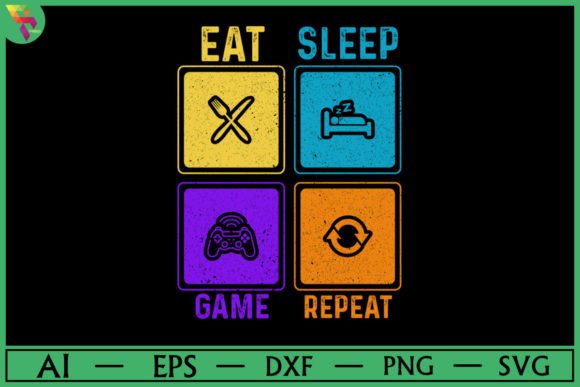
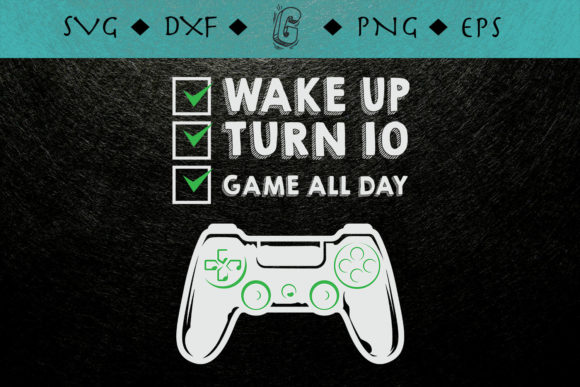
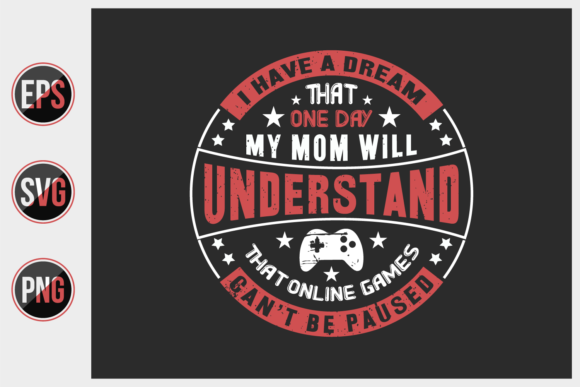
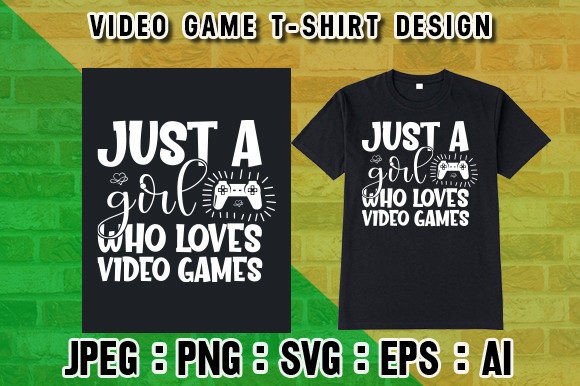
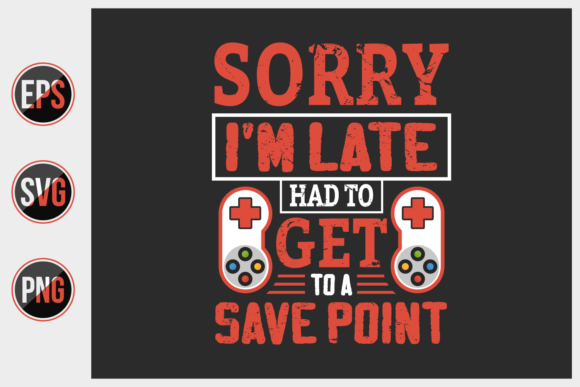
At its core, a Game Typographic T-Shirt Design Vector is a digital illustration composed of scalable vector graphics (SVG) that feature game-related typography. These designs often include stylized fonts, pixel art elements, or thematic characters from popular video games, all integrated into a text-based layout. Because they are vector-based, these designs maintain clarity at any size, making them ideal for printing on various apparel types and promotional materials.
Planning Your Design Project with Game Typography
Before diving into the design phase, it's essential to understand where the Game Typographic T-Shirt Design Vector fits into your broader creative process. Begin by defining the purpose of your design—whether it's for personal use, a gaming community event, or commercial sale. This will influence your choice of font style, game references, and overall composition.
Consider the audience you're targeting. Gamers, for instance, often appreciate specific visual cues from well-known titles like Minecraft, Call of Duty, or The Legend of Zelda. Incorporating these references through a typographic vector can instantly connect with that audience while maintaining a clean and professional look.
Once you've established your goals and audience, gather any additional assets you'll need, such as brand colors, supporting graphics, or background textures. This preparation ensures that when you import your Game Typographic T-Shirt Design Vector, it integrates seamlessly with the rest of your design elements.
Using the Vector in Design Execution
During the actual design phase, the flexibility of a Game Typographic T-Shirt Design Vector shines. Most vector editing software, such as Adobe Illustrator, Inkscape, or CorelDRAW, allows for easy manipulation of paths, colors, and layers. This means you can adjust the design to fit different t-shirt colors, add effects like gradients or outlines, or even combine multiple vectors for a layered look.
One of the major advantages of using vector graphics is their scalability. Unlike raster images, which can become pixelated when enlarged, vectors maintain crisp lines and clarity regardless of size. This makes them especially useful when preparing designs for print, where varying garment sizes and print locations (e.g., front, back, sleeve) may require resizing.
Additionally, because these vectors are typically provided in layered formats, you can easily isolate text elements, game icons, or background components. This separation is particularly useful when working with screen printers, who often require individual color layers for production.
Post-Design Considerations and Implementation
After finalizing your design, the next step is preparing it for production or distribution. Whether you're printing locally, using a print-on-demand service, or sharing the design digitally, the Game Typographic T-Shirt Design Vector offers several export options. You can save it as a high-resolution PDF for print, convert it to a PNG for web use, or even optimize it as an SVG for interactive web applications.
For businesses or creators selling merchandise, maintaining consistency across designs is crucial. Establish a naming convention for your vector files and organize them in a centralized folder. This helps streamline future projects and makes it easier to reuse or modify existing designs without starting from scratch.
If you're working with a team or outsourcing parts of the design process, ensure that your vector files are well-structured and include notes or annotations where necessary. Clear layers and groupings will help others understand your design choices and make adjustments more efficiently.
Integration with Other Tools and Platforms
A Game Typographic T-Shirt Design Vector doesn't exist in isolation—it's often part of a larger creative ecosystem. Designers frequently use these vectors alongside other tools like mockup generators, color palette apps, or project management software to streamline their workflow.
- Mockup Tools: Programs like Placeit or Photoshop mockup templates allow you to preview your design on various t-shirt styles and colors before printing.
- Color Management: Use tools like Adobe Color or Coolors to ensure your design's color scheme aligns with your brand or desired aesthetic.
- Project Management: For team-based design projects, platforms like Trello or Asana can help track progress, assign tasks, and manage revisions related to your vector design work.
Furthermore, if you're running an online store, integrating your vector-based designs into platforms like Shopify, Etsy, or Teespring is straightforward. Many of these services support SVG uploads or allow you to upload high-quality PNGs derived from your vector files.
Long-Term Use and Quality Control
As your design library grows, managing your collection of Game Typographic T-Shirt Design Vectors becomes increasingly important. Periodically review your assets to ensure they remain relevant and up-to-date. Some game titles may fall out of popularity, while new ones may emerge as cultural touchstones worth incorporating.
Implement a version control system for your vector files, especially if you make frequent updates or collaborate with others. Keeping track of changes helps avoid confusion and ensures that everyone is working from the most current design file.
Additionally, consider archiving older designs that are no longer in active use but may be valuable for future reference. Organizing your files by theme, game title, or release date can help you quickly locate specific designs when needed.
Workflow Example: From Concept to T-Shirt
Let's walk through a practical example of how a Game Typographic T-Shirt Design Vector can be used in a real-world scenario:
- Concept: A gaming community plans a meetup and wants custom t-shirts featuring a reference to a popular RPG.
- Design Brief: The team decides on a bold typographic style incorporating the game's title and a sword motif.
- Asset Selection: They choose a pre-made Game Typographic T-Shirt Design Vector that includes stylized lettering and a sword icon.
- Customization: Using Adobe Illustrator, they adjust the color scheme to match the game's branding and add a community tagline below the main text.
- Mockup: The design is placed into a mockup template to visualize how it will look on black and white t-shirts.
- Approval: The team reviews the design, makes minor tweaks, and approves it for printing.
- Production: The final vector file is exported as a PDF and sent to a local print shop for screen printing.
- Launch: The t-shirts are distributed at the event, generating excitement and a sense of unity among attendees.
This example demonstrates how a single Game Typographic T-Shirt Design Vector can serve as the foundation for a successful, cohesive project when integrated thoughtfully into a structured workflow.
Conclusion: Enhancing Your Design Process with Game Typography
Incorporating a Game Typographic T-Shirt Design Vector into your design process offers a blend of efficiency, scalability, and creative potential. Whether you're working independently or as part of a team, leveraging these vectors can help you produce high-quality, visually engaging apparel that resonates with your audience. By understanding how to plan, execute, and manage your design work around these assets, you can streamline your workflow and focus more on the creative aspects that make your projects unique.