Twister Game: Fun, Fitness, and Family Entertainment
The Twister Game is a classic party staple that has entertained generations with its unique blend of physical challenge and lighthearted competition. Originally introduced in the 1960s, the game involves players placing hands and feet on colored circles on a large mat, following the spinner’s directions. As players twist and balance in increasingly awkward positions, laughter and excitement naturally follow. While the Twister Game may seem simple at first glance, its enduring popularity speaks to its effectiveness as a tool for social interaction, physical activity, and stress relief.
Why People Are Interested in the Twister Game
People often seek out the Twister Game for its ability to break the ice at gatherings, encourage teamwork, or simply provide a fun way to stay active. It’s commonly used at birthday parties, family reunions, school events, and even team-building exercises. Unlike many modern games that rely on screens or complex rules, the Twister Game offers a refreshing return to physical play. Its accessibility—requiring minimal setup and no special skills—makes it appealing across age groups and fitness levels.
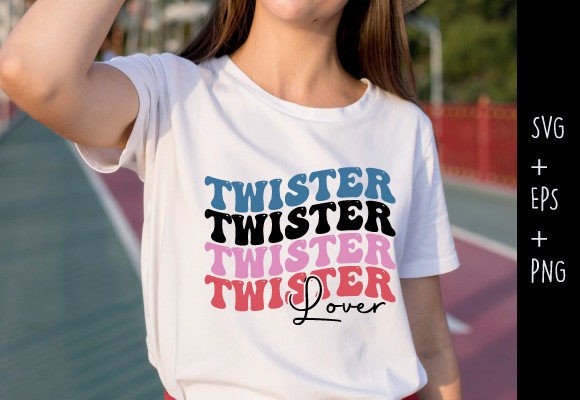
Another reason for its appeal lies in the visual and tactile components of the game. The colorful Twister Game JPG and EPS files used in marketing materials and digital platforms help convey the game’s energetic nature. These graphics are often used by retailers, educators, and event planners to promote the game effectively, ensuring potential buyers understand what to expect before purchasing or using it.
Benefits of Playing the Twister Game
- Encourages physical activity: The game promotes stretching, balance, and coordination in a playful setting.
- Boosts social interaction: It fosters communication, cooperation, and shared laughter among players.
- Improves mental focus: Players must follow directions quickly and adapt to changing positions.
- Accessible for all ages: Children, teens, and adults can participate without significant barriers to entry.
Tradeoffs and Considerations
While the Twister Game offers many positives, it’s not without limitations. The game requires floor space and a relatively flat surface, which may not be available in all environments. Additionally, players with mobility issues or physical limitations may find it difficult to participate fully. The Twister Game also relies on group dynamics—without a willing and engaged group, the experience may fall flat.
Another consideration is durability. The game mat, while designed for repeated use, can wear over time, especially with frequent play or improper storage. Replacement mats or digital assets like Twister Game JPG and EPS files may be needed for promotional or instructional purposes, particularly in educational or commercial settings.
When the Twister Game Is a Strong Fit
The Twister Game excels in environments where physical engagement and group bonding are priorities. It works well in:
- Family gatherings: A great way to get everyone off the couch and interacting.
- School classrooms: Teachers can use it as a fun physical education tool or break-time activity.
- Corporate team-building: Encourages collaboration and light-hearted competition among coworkers.
- Birthday parties: An interactive game that appeals to a wide age range and requires minimal supervision.
For those looking to enhance event materials or create custom marketing assets, the availability of Twister Game JPG and EPS files makes it easier to produce high-quality visuals for posters, digital ads, or instructional handouts.
When Alternatives May Be Worth Considering
Despite its many strengths, the Twister Game may not be suitable for every scenario. In settings with limited space, physical constraints, or participants who prefer quieter or solo activities, alternatives might be more appropriate. Board games, card games, or digital games could offer more inclusive or flexible options in such cases.
Additionally, for those seeking structured physical fitness, the Twister Game may not provide enough intensity or consistency. In such cases, yoga, aerobic workouts, or interactive fitness video games may better align with health goals. However, for spontaneous, low-pressure physical activity, the Twister Game remains a compelling choice.
Practical Insights for Decision-Makers
Before purchasing or organizing a Twister Game session, consider the following factors:
- Group size: The game works best with 3–6 players. Larger groups may need multiple rounds or additional games.
- Space requirements: Ensure there’s enough floor space to lay out the mat without hazards or obstructions.
- Audience readiness: Gauge whether participants are open to physical play and group interaction.
- Game condition: Check that the mat is clean and the spinner is functional, especially if purchasing secondhand.
- Digital assets: If you're creating promotional or instructional materials, access to Twister Game JPG and EPS files can enhance visual communication and engagement.
Final Thoughts
The Twister Game remains a timeless option for those seeking fun, active, and inclusive entertainment. Its simplicity, combined with the potential for laughter and connection, makes it a standout choice in a world increasingly dominated by digital distractions. While it may not be ideal for every situation, understanding its strengths and limitations allows for informed decisions about when and how to use it effectively.
Whether you're planning a party, organizing a classroom activity, or exploring team-building options, the Twister Game offers a versatile and engaging experience. And for those who want to enhance their promotional or educational materials, the availability of Twister Game JPG and EPS files ensures that the game’s visual identity can be easily integrated into a variety of formats.