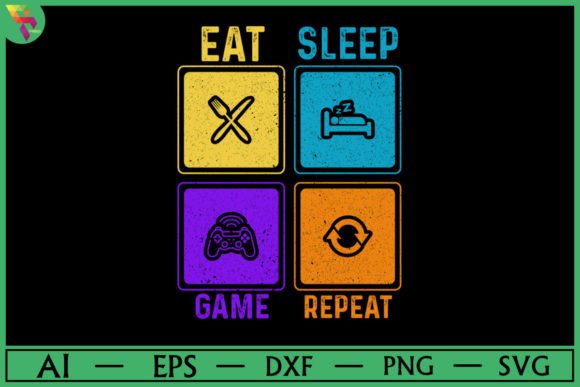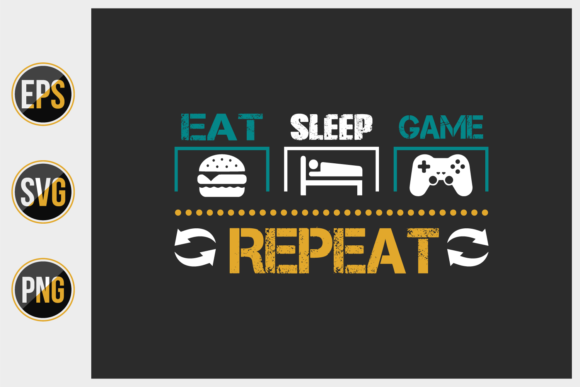
Eat Sleep Game Repeat – T Shirt Design: A Lifestyle Statement for Gamers and Creators
The phrase "Eat Sleep Game Repeat" has become more than just a catchy slogan—it's a lifestyle adopted by gamers, developers, creators, and anyone deeply invested in digital culture. When translated into a t-shirt design, it becomes a wearable expression of identity and passion. Whether you're a game developer working late hours on a project or a designer who thrives in creative cycles, this concept resonates with those who live and breathe their craft.
Understanding the Concept Behind the Design
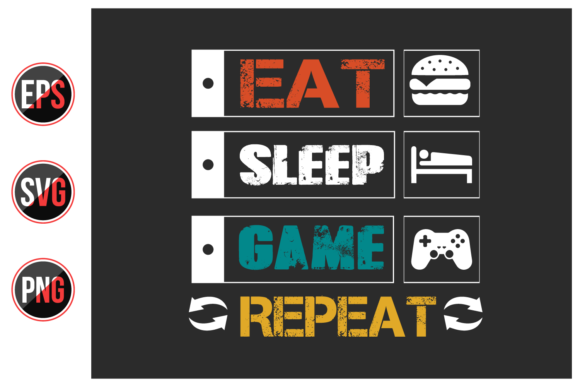
"Eat Sleep Game Repeat" is a play on the classic productivity loop—work, rest, repeat—but tailored specifically to the gaming and creative industries. It reflects a cycle of dedication, immersion, and iteration. As a t-shirt design, it serves both as a humorous nod to the grind and a badge of pride for those who embrace it.
From a design standpoint, the phrase offers flexibility. It can be rendered in minimalist typography, retro pixel art style, or combined with game-related graphics like joysticks, characters, or controllers. The key is to match the tone of the audience and the intended use of the shirt—whether for casual wear, convention events, or as part of a brand identity for a creative studio.
How to Use the Design in Different Contexts
This t-shirt design isn't just for gamers. It can be strategically integrated into various professional and personal workflows:
- As a branding tool—Creative studios, indie game developers, or digital marketing teams can use custom versions of this design to build a cohesive team identity or promote a product launch.
- For event merchandising—At conventions, hackathons, or game jams, these shirts create a sense of community and shared purpose among attendees.
- In personal branding—Freelancers, streamers, or YouTubers can wear the design as part of their visual brand, especially when creating content around gaming or development.
Whether used as a standalone design or customized with a logo, tagline, or artwork, the "Eat Sleep Game Repeat" motif adapts well to different branding strategies and audience segments.
Integration with Other Tools and Platforms
Designing and producing t-shirts with this theme involves several steps and tools. Here's how the process typically unfolds:
- Design creation—Using graphic design tools like Adobe Illustrator, Canva, or Figma, designers craft the visual layout. It's important to maintain clarity and scalability so the shirt looks good both in print and online.
- Mockup visualization—Before printing, designers and clients often use platforms like Placeit or Smartmockups to preview how the design will appear on different shirt colors and styles.
- Production and fulfillment—Print-on-demand services like Printful, Teespring, or Redbubble allow creators to produce and sell shirts without holding inventory. These platforms integrate with e-commerce stores like Shopify or Etsy, making it easy to manage sales and shipping.
By aligning the design workflow with these platforms, creators can streamline production, reduce overhead, and focus on quality and customer experience.
Practical Implementation Tips
Here are some practical considerations when implementing the "Eat Sleep Game Repeat" design into your creative or business workflow:
- Choose the right color contrast—Ensure the text stands out against the shirt color. White text on a dark background or black text on a light background tends to work best.
- Keep it wearable—While the design should reflect a niche audience, it should also appeal to a broader market. Avoid overly cluttered layouts or obscure references unless targeting a specific subculture.
- Test across sizes—Make sure the design looks good on all shirt sizes. Text that's too small on a large shirt can be hard to read, while oversized graphics on small shirts may look unbalanced.
- Consider fabric type—Different fabrics (cotton, polyester, blends) affect print quality. Work with your print provider to ensure the design translates well across materials.
These small but crucial details can significantly impact the final product and customer satisfaction.
Workflow Examples and Use Cases
Let's look at a few real-world examples of how professionals use this design in their workflows:
Case 1: Indie Game Developer
An indie developer preparing for a game launch creates a limited edition t-shirt with the "Eat Sleep Game Repeat" design, customized with the game's logo. The shirt is sold via their website using a Shopify integration and offered as a reward in a crowdfunding campaign. This not only builds hype but also provides a tangible product that fans can wear and share.
Case 2: Creative Educator
A digital design instructor uses the t-shirt as a class project. Students create their own versions of the design using design software, learning about typography, layout, and branding in the process. The best designs are printed and sold as part of a class fundraiser.
Case 3: Content Creator
A popular Twitch streamer incorporates the design into their merch line. They wear it during streams, reinforcing their brand identity while offering fans a way to show support. The shirts are printed on demand, reducing upfront costs and inventory risks.
Long-Term Considerations and Quality Control
When incorporating this design into a long-term strategy, consistency and quality control are essential. Here are some tips:
- Maintain brand consistency—If the design is part of a larger brand, ensure it aligns with other visual elements like logos, color schemes, and fonts.
- Monitor customer feedback—Track reviews and comments about the design and shirt quality. Use this feedback to refine future versions.
- Update strategically—While the phrase is timeless, consider seasonal or limited-edition variations to keep the design fresh and engaging.
By treating the t-shirt design as part of a broader creative or business workflow, you can ensure it continues to serve its purpose long after the initial release.
Final Thoughts on Implementation
The "Eat Sleep Game Repeat" t-shirt design is more than just a fashion statement—it's a reflection of a mindset, a work ethic, and a shared culture among creators and gamers. When approached with intention and care, it can become a valuable asset in branding, community building, and personal expression.
Whether you're launching a product, teaching a class, or simply showing off your passion, this design offers a versatile and meaningful way to connect with others. By integrating it thoughtfully into your workflow and maintaining attention to detail, you can ensure it remains relevant and impactful for years to come.