Match Game Food by Name Worksheet 5: A Practical Tool for Learning and Engagement
Understanding Match Game Food by Name Worksheet 5
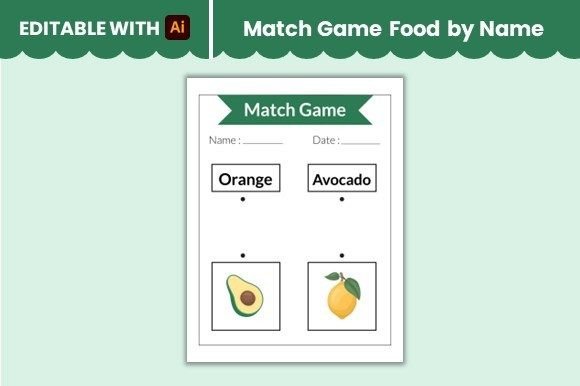
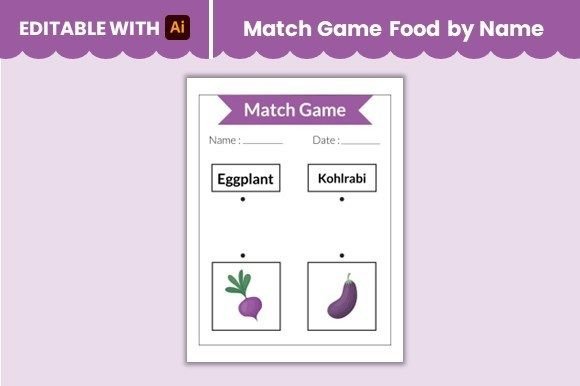
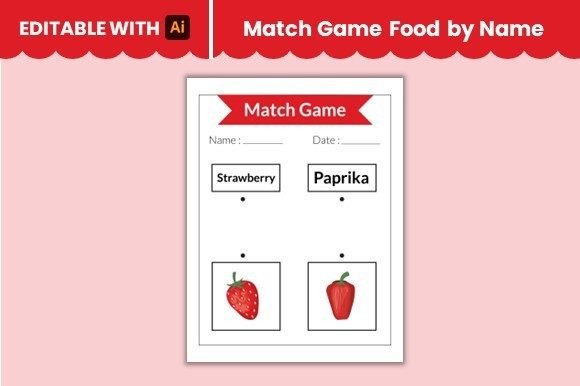
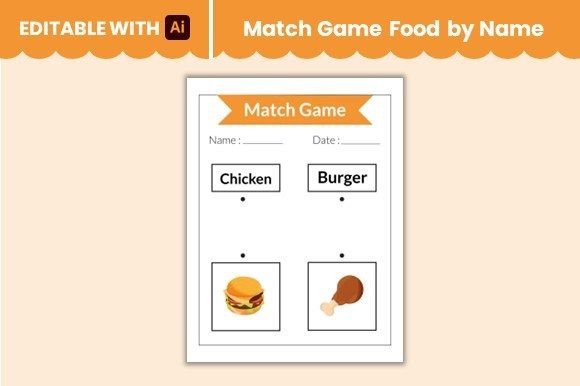
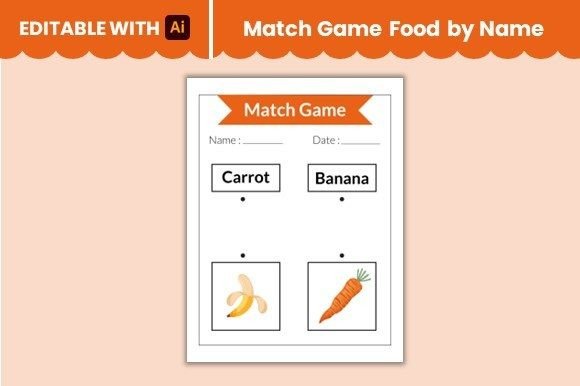
The Match Game Food by Name Worksheet 5 is a versatile educational resource designed to help learners identify and associate food items with their corresponding names. This worksheet is particularly useful in early childhood education, language learning, and special education settings where visual and interactive learning methods are effective. The package includes one AI file, one JPEG file, and one PNG file, allowing for flexible use across digital and printed formats.
Users can apply this resource in various formats such as stickers, picture books, flashcards, or classroom visuals. The design supports interactive learning through matching exercises that reinforce vocabulary and recognition skills related to food items. This makes it a valuable tool for educators, parents, and therapists looking to engage learners through visual and hands-on activities.
Why This Worksheet Might Interest You
Interest in the Match Game Food by Name Worksheet 5 often comes from educators, homeschooling parents, speech therapists, and language instructors who seek practical, reusable tools for teaching food-related vocabulary. Its adaptability to different formats—such as printable stickers or digital overlays—makes it appealing for those who want to create engaging, interactive learning experiences without the need for complex setup.
Additionally, the worksheet’s visual nature supports learners who benefit from picture-based instruction, including young children and individuals with developmental or language learning needs. Those looking to incorporate gamified learning methods into their curriculum or therapy sessions may find this tool especially useful.
Benefits of Using the Worksheet
- Versatile Use: The inclusion of AI, JPEG, and PNG files allows the worksheet to be used across multiple platforms and mediums, including digital displays, printed materials, and craft-based learning tools.
- Supports Visual Learning: The worksheet reinforces vocabulary through picture-word associations, which is especially effective for younger learners and those with special educational needs.
- Reusable and Customizable: Digital files can be edited and reused, making it a cost-effective option for educators who need adaptable teaching aids.
- Interactive Engagement: Matching exercises encourage active participation, improving memory retention and engagement compared to passive learning methods.
Considerations and Tradeoffs
While the Match Game Food by Name Worksheet 5 offers many benefits, it’s important to consider its limitations and suitability for specific needs. As a single worksheet focusing on food items, it may not provide comprehensive vocabulary coverage for broader language development programs. Users looking for a full curriculum or a wide variety of topics may need to supplement this resource with additional materials.
Additionally, the effectiveness of this worksheet depends on how it is integrated into a learning plan. For learners who require auditory or kinesthetic engagement, this primarily visual tool may need to be paired with other sensory-based activities to ensure a balanced educational experience.
When This Worksheet Is a Strong Fit
This worksheet is well-suited for:
- Early Childhood Education: Teachers working with preschool or kindergarten students can use this worksheet to introduce basic food vocabulary in a fun, interactive way.
- Special Education: It supports learners with autism or speech delays who benefit from structured visual matching tasks.
- Language Acquisition: English as a Second Language (ESL) instructors can incorporate this into lessons focused on everyday vocabulary.
- Home Learning: Parents and caregivers can print and use the materials to reinforce learning outside the classroom in a playful, engaging format.
When Alternatives May Be Worth Considering
If your learning goals extend beyond food vocabulary or require more interactive or multi-sensory components, alternative resources may be more appropriate. For example:
- Augmented Reality Learning Apps: These offer dynamic, interactive experiences but may require more technical access and familiarity.
- Physical Flashcard Sets: Pre-made flashcards can be easier to use for those who prefer tactile learning without the need for printing or digital tools.
- Curriculum-Based Programs: If you're building a comprehensive language or cognitive development program, a single worksheet may not provide enough depth or variety.
Before deciding, evaluate whether the worksheet aligns with your instructional goals, available resources, and the learning preferences of your audience.
Practical Insights for Decision-Making
When evaluating the Match Game Food by Name Worksheet 5, consider the following questions:
- What are your learning objectives? Does the worksheet support the vocabulary and skills you want to teach?
- Who is the target audience? Will they benefit from visual matching activities, or do they require additional sensory engagement?
- Do you have the tools to use digital files effectively? If not, you may need to look for pre-printed or physical alternatives.
- How often will you use the resource? If you plan to reuse it frequently, the digital format offers long-term value.
By aligning the worksheet’s features with your specific educational context, you can determine whether it will serve as a meaningful addition to your toolkit.
Final Thoughts
The Match Game Food by Name Worksheet 5 offers a practical, flexible, and visually engaging way to support vocabulary learning related to food items. Whether used in the classroom, at home, or in therapeutic settings, it provides a foundation for interactive learning through matching exercises. While it may not be a standalone solution for comprehensive language development, it serves as a valuable supplementary tool when integrated thoughtfully into a broader learning strategy.
Before making a selection, weigh its benefits against your specific needs and consider how it fits within your existing resources and instructional approach. Doing so ensures that you choose tools that are not only effective but also sustainable and adaptable for your learners.