Retro Game Console: A Nostalgic Dive into Gaming History
For many, the retro game console represents more than just a piece of hardware—it’s a portal to childhood memories, a celebration of early gaming culture, and a way to experience classic games in their original form. Whether you're a long-time gamer or just discovering the charm of pixelated adventures, a retro game console offers a unique blend of simplicity, authenticity, and fun.
What Exactly Is a Retro Game Console?
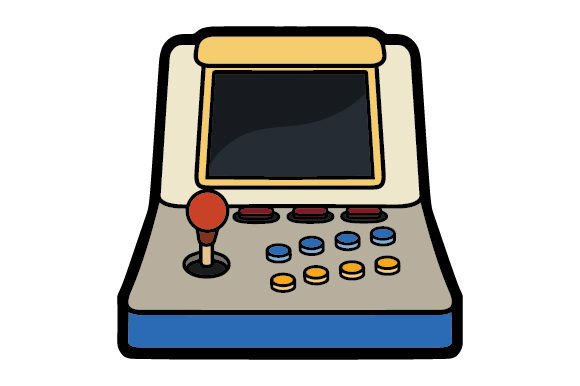
A retro game console typically refers to a gaming system from a previous generation, often from the 1980s through the early 2000s. These include iconic systems like the Nintendo Entertainment System (NES), Super Nintendo (SNES), Sega Genesis, and PlayStation 1. Some modern devices are also designed to emulate the look and feel of these classic consoles, offering built-in libraries of retro games.
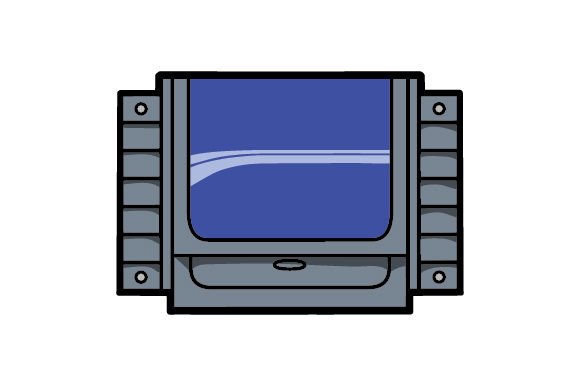
Unlike modern consoles focused on high-definition graphics and online multiplayer, retro consoles emphasize simplicity, physical cartridges or discs, and timeless gameplay. Many users enjoy the tactile experience of inserting a game, hearing the click of the cartridge slot, and navigating with basic controllers.
Why the Appeal of Retro Gaming?
The retro game console appeals to a wide audience for several reasons. For starters, it brings back nostalgia for those who grew up playing these games. It’s not uncommon for adults in their 30s and 40s to revisit games like Super Mario Bros., The Legend of Zelda, or Sonic the Hedgehog to relive cherished memories.
Additionally, retro games often have a charm that modern titles lack. With limited processing power, developers had to be creative with limited resources, leading to clever level designs and memorable characters. These games also tend to be less overwhelming for casual players, offering pick-up-and-play mechanics without the complexity of today’s sprawling open worlds.
How Can You Use a Retro Game Console?
There are many ways to enjoy a retro game console in your daily life:
- Personal enjoyment: Set it up in your living room for weekend gaming sessions with family and friends.
- Education: Use it to teach children or students about the history of video games and how technology has evolved.
- Content creation: Stream retro gameplay on platforms like Twitch or YouTube to share your passion and connect with others.
- Interior design: Some collectors display retro consoles as part of a gaming-themed room or office decor.
- Game development: Study classic games to understand early design principles and apply them to modern indie development.
Choosing the Right Retro Game Console
If you're new to retro gaming, selecting the right retro game console can feel overwhelming. Here are a few things to consider before making a purchase:
- Authenticity vs. emulation: Do you want an original system with real cartridges, or a modern recreation that plays classics digitally?
- Game library: Which system has the games you're most interested in? For example, SNES is known for RPGs and platformers, while the Sega Genesis excels in arcade-style action.
- Condition: If buying vintage, check the console’s condition—dust, wear, and faulty components can affect performance.
- Compatibility: Make sure it works with your TV or monitor. Older consoles may require an AV receiver or upscaler for modern displays.
- Budget: Original systems can range from affordable to collector’s items, while modern replicas are often more budget-friendly.
Real-World Examples of Retro Game Console Use
Here are a few practical ways people are using retro game consoles today:
- Family bonding: Parents introduce their kids to the same games they played growing up, creating shared experiences.
- Game design inspiration: Developers study classic titles to understand level design, storytelling, and mechanics that stood the test of time.
- Themed events: Retro consoles are often featured at gaming conventions, arcades, and pop-up events celebrating vintage culture.
- Collecting: Enthusiasts build collections of consoles, games, and accessories, sometimes investing in rare or limited editions.
- Streaming nostalgia: Content creators curate retro gameplay content to entertain audiences who enjoy vintage titles and commentary.
What to Know Before You Start
Before diving into the world of retro game consoles, keep a few key points in mind:
- Original hardware may need maintenance: Dust, corrosion, and aging components can impact performance. Be prepared to clean or repair if needed.
- Games can be expensive: While many retro titles are affordable, rare or sealed games can fetch high prices online.
- Modern alternatives exist: Emulators and re-released mini consoles like the NES Classic or Analogue Pocket offer convenience without the hassle of original hardware.
- Community is key: Join forums, social media groups, or local clubs to connect with other retro gamers and learn tips and tricks.
- Start small: Begin with one system or a few favorite games before expanding your collection.
Final Thoughts
Whether you're revisiting your childhood or discovering classic games for the first time, a retro game console offers a rewarding experience that goes beyond gameplay. It's a way to connect with history, bond with others, and appreciate the evolution of gaming. With a little research and a sense of adventure, you can find the perfect system to match your interests and enjoy hours of timeless fun.