The Resurgence of the Handheld Game Console: A Modern Take on Portable Play
In an era dominated by smartphones, cloud gaming, and high-end consoles, the handheld game console has made a surprising and compelling comeback. Once thought to be relics of the early 2000s, these compact, self-contained devices are being reimagined for a new generation of gamers, creators, and entrepreneurs. Whether you're a digital marketer exploring new engagement platforms or a developer seeking innovative distribution channels, the resurgence of the handheld game console offers a unique opportunity to rethink how interactive entertainment is consumed, created, and monetized.
What Exactly Is a Handheld Game Console?
A handheld game console is a portable electronic device designed specifically for playing video games. Unlike mobile phones or tablets, which serve multiple functions, a dedicated handheld console is built with gaming as its primary purpose. These devices typically feature built-in controls, screens, and batteries, allowing for immersive gameplay experiences without the need for external hardware.
Modern iterations of the handheld game console have evolved far beyond their predecessors. With features like high-resolution displays, long battery life, online multiplayer capabilities, and even emulation support, today’s models are more versatile than ever. Some even offer the ability to run indie titles, retro games, and homebrew software, making them attractive tools for developers and hobbyists alike.
Why the Handheld Game Console Matters in Today’s Market
The renewed interest in the handheld game console is not just a nostalgic trend—it's a response to shifting consumer preferences and technological advancements. As people seek more focused, distraction-free experiences, especially in gaming and creative workflows, the appeal of a device that does one thing exceptionally well becomes increasingly relevant.
- Focus and immersion: Unlike smartphones, where notifications and multitasking can disrupt gameplay, a handheld game console offers a dedicated environment for immersive experiences.
- Portability and convenience: Whether commuting, traveling, or simply gaming on the go, handheld consoles provide a seamless blend of mobility and performance.
- Customization and creativity: Many modern devices support custom firmware and homebrew development, making them powerful tools for indie developers and content creators.
Integration into Broader Industry Trends
The handheld game console is not just a niche product; it reflects larger shifts in how we interact with technology and media. Here's how it aligns with key industry developments:
1. The Rise of Indie Development and Niche Markets
With the rise of indie game development and the growing appetite for unique, story-driven experiences, the handheld game console has become a preferred platform for independent creators. Devices like the Analogue Pocket and AYANEO series offer robust hardware capable of running both classic and modern games, giving developers a new canvas to reach audiences without the overhead of AAA publishing.
2. The Demand for Curated, Offline Experiences
In a world increasingly driven by streaming and always-on connectivity, the handheld game console stands out as a beacon of offline, self-contained entertainment. This aligns with a growing consumer desire for intentional tech use—devices that don’t require Wi-Fi, don’t push notifications, and encourage deeper engagement with content.
3. Aesthetic and Design Innovation
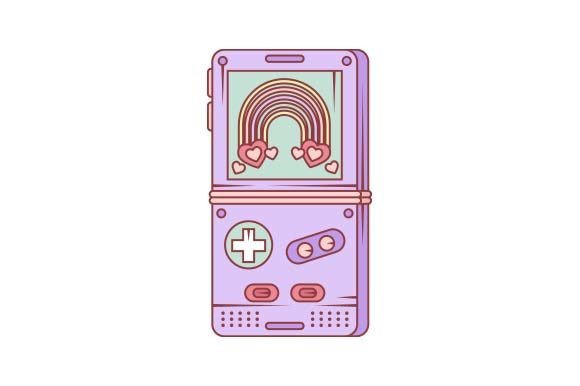
Modern handheld game consoles are not only powerful but also visually striking. With sleek designs, customizable shells, and premium materials, they appeal to both casual gamers and design-conscious professionals. The availability of design assets such as SVG files, Transparent PNGs, EPS, and DXF formats allows for easy customization and branding, making them ideal for entrepreneurs looking to create personalized or limited-edition devices.
Practical Applications for Creators and Entrepreneurs
For professionals across creative and business fields, the handheld game console is more than a gaming device—it’s a versatile platform for innovation:
- Game developers: Use handheld consoles as testing grounds for new titles, especially those designed for portable play.
- Marketers: Leverage the growing community around these devices for targeted campaigns, especially in the indie and retro gaming spaces.
- Freelancers: Explore opportunities in UI/UX design, firmware customization, and content creation tailored for handheld platforms.
- Hardware entrepreneurs: Utilize modular design files (SVG, EPS, DXF) to create custom accessories, cases, or branded editions of existing consoles.
Changing Consumer Expectations and the Role of the Handheld Game Console
As consumers become more discerning about how they spend their digital time, the handheld game console meets a growing demand for intentional, high-quality experiences. Gamers are increasingly seeking devices that offer:
- Long battery life: Essential for on-the-go play without the need for constant charging.
- High-quality controls: Physical buttons and joysticks provide a tactile experience that touchscreen interfaces often lack.
- Compatibility and flexibility: The ability to play retro games, indie titles, and even emulate older systems adds significant value.
These evolving expectations have pushed manufacturers to innovate beyond the traditional console model, resulting in devices that blend retro appeal with modern functionality.
How the Handheld Game Console Fits Into a Larger Tech Ecosystem
The handheld game console is part of a broader movement toward hybrid and modular computing. As technology becomes more adaptable, we're seeing a convergence of form factors and functions. Devices like the Steam Deck and upcoming Android-based handhelds are blurring the lines between portable consoles, handheld PCs, and mobile devices.
This evolution is particularly relevant for marketers and product designers who must now consider how to position and brand handheld consoles within a competitive landscape that includes smartphones, tablets, and even VR headsets. The key is to emphasize the unique value proposition: a dedicated, distraction-free, high-performance gaming experience that fits in your pocket.
Design and Customization: A New Frontier
One of the most exciting developments for the handheld game console is the increasing availability of design resources. For creators and entrepreneurs, access to SVG files, Transparent PNGs, EPS, and DXF formats opens up new possibilities for customization, branding, and product differentiation. Whether you're creating a custom case, designing promotional materials, or developing a line of branded accessories, these formats make it easier than ever to bring your vision to life.
This level of customization not only enhances user experience but also fosters a sense of ownership and personalization that resonates with modern consumers. It also creates opportunities for cross-disciplinary collaboration—designers, engineers, and marketers can work together to build products that are both functional and aesthetically appealing.
Looking Ahead: The Future of the Handheld Game Console
The future of the handheld game console looks bright. As mobile gaming continues to grow and the demand for offline, focused experiences increases, handheld consoles are well-positioned to thrive. They represent a unique intersection of nostalgia, innovation, and practicality—offering something for everyone, from hardcore gamers to casual players and creative professionals alike.
For businesses and creators, the takeaway is clear: the handheld game console is not just a gaming device—it's a platform for innovation, personalization, and community building. Whether you're designing for it, marketing to its audience, or creating content for its screen, understanding its role in today’s digital ecosystem can open up new avenues for growth and engagement.
In a world where attention spans are short and distractions are everywhere, the handheld game console offers a refreshing reminder of what it means to truly immerse yourself in play. And for those willing to explore its potential, the rewards—both creatively and commercially—are substantial.