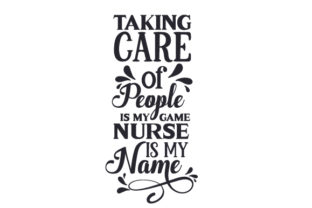
Taking Care of People is My Game, Nurse is My Name: A Commitment to Compassionate Care
When someone says, "Taking care of people is my game, nurse is my name," they're not just sharing a profession—they're declaring a philosophy. This phrase captures the essence of nursing as more than a job; it's a calling rooted in empathy, resilience, and unwavering dedication to others. Whether in a hospital, school, clinic, or community setting, nurses embody this ethos daily, making a tangible difference in lives and shaping the future of healthcare.
The Heart of Nursing: Empathy in Action
At its core, nursing is about connection. The phrase "taking care of people is my game, nurse is my name" reflects the emotional intelligence and interpersonal skills that define the profession. Nurses are often the first point of contact for patients, offering comfort during uncertainty, explaining complex medical information, and advocating for individual needs.
Empathy in nursing isn't just a soft skill—it's a critical component of effective care. Studies show that empathetic interactions can improve patient outcomes, increase treatment adherence, and enhance overall satisfaction. When nurses communicate with warmth and understanding, they create an environment where patients feel seen, heard, and supported.
- Empathetic nurses build trust quickly, which is essential in emergency or high-stress situations.
- They are better equipped to interpret non-verbal cues, which can be crucial for diagnosing and treating patients.
- Empathy fosters resilience in both patients and caregivers, contributing to better long-term recovery.
Versatility Across Healthcare Settings
Nursing is one of the most versatile professions in healthcare, with roles spanning a wide range of environments. From intensive care units to remote rural clinics, the adaptability of nurses ensures that the commitment "taking care of people is my game, nurse is my name" remains relevant in any context.
Hospital Nursing: The Frontline of Care
In hospitals, nurses are the backbone of patient care. They manage medication schedules, monitor vital signs, assist in surgeries, and coordinate with doctors and specialists. Hospital nurses often work in fast-paced environments where quick thinking and multitasking are essential.
Specialized hospital roles include:
- Emergency room nurses
- Operating room nurses
- Intensive care unit (ICU) nurses
Community and Public Health Nursing
Outside of hospitals, nurses play a vital role in community health. Public health nurses work to prevent illness and promote wellness at the population level. They conduct outreach programs, administer vaccinations, and educate communities on managing chronic conditions.
In underserved areas, community nurses may be the primary source of medical care. Their work often extends beyond clinical duties to include advocacy, resource coordination, and health education. These nurses embody the phrase "taking care of people is my game, nurse is my name" by addressing not only individual health but also systemic challenges affecting entire communities.
Advancements in Nursing: Technology and Innovation
As healthcare evolves, so too does the role of the nurse. Technological advancements have transformed how nurses deliver care, from electronic health records (EHRs) to telehealth platforms and wearable health devices. These tools enhance efficiency, accuracy, and accessibility, allowing nurses to focus more on patient interaction and less on administrative tasks.
For example, remote patient monitoring systems enable nurses to track vital signs and symptoms from a distance, making follow-up care more proactive. In addition, mobile apps and digital health records streamline communication between healthcare providers, reducing the risk of errors and improving continuity of care.
However, with these innovations come new challenges. Nurses must stay current with rapidly changing technologies, undergo continuous training, and balance digital tools with the human touch that defines compassionate care. The phrase "taking care of people is my game, nurse is my name" remains a guiding principle, reminding professionals that technology should enhance—not replace—personal connection.
Educational Pathways and Professional Development
Becoming a nurse requires dedication, education, and ongoing learning. There are multiple pathways into the profession, including diploma programs, associate degrees, and bachelor’s degrees in nursing. Each offers a different level of preparation and opens doors to various career opportunities.
For those who want to advance their careers, further education—such as a Master of Science in Nursing (MSN) or Doctor of Nursing Practice (DNP)—can lead to leadership roles, specialized practice, or teaching positions. These advanced degrees not only expand career options but also empower nurses to influence policy, shape healthcare systems, and mentor future generations.
Continuing education is also crucial. Nurses must renew licenses regularly, attend workshops, and stay informed about the latest research and best practices. This lifelong learning ensures that they remain effective and adaptable in a constantly evolving field.
The Emotional and Physical Demands of Nursing
While nursing is deeply rewarding, it is also demanding. Long shifts, high-stress environments, and emotional strain can take a toll on even the most dedicated professionals. Compassion fatigue and burnout are real concerns, and addressing them is essential for sustaining a healthy workforce.
Healthcare organizations are increasingly recognizing the importance of supporting nurses through wellness programs, flexible scheduling, and mental health resources. Peer support groups, mindfulness training, and access to counseling services can help nurses maintain resilience and continue providing high-quality care.
The phrase "taking care of people is my game, nurse is my name" also serves as a reminder that nurses must care for themselves to effectively care for others. Self-care isn't a luxury—it's a necessity that ensures long-term sustainability in the profession.
Recognizing the Impact of Nurses in Society
Nurses are often unsung heroes, working behind the scenes to improve lives and strengthen communities. Their contributions extend beyond clinical settings to influence public health, education, and social policy. During global health crises, such as pandemics or natural disasters, nurses are on the front lines, providing critical care and reassurance.
Public recognition of nurses' value has grown in recent years, with increased media attention and advocacy efforts highlighting their role in healthcare systems. Awards, awareness campaigns, and professional organizations help elevate the nursing profession and promote its importance in society.
Moreover, nurses are increasingly involved in shaping healthcare policy. Through research, leadership roles, and participation in legislative efforts, they contribute to decisions that impact patient care standards, workforce development, and healthcare accessibility.
Conclusion: A Lasting Legacy of Care
The phrase "taking care of people is my game, nurse is my name" encapsulates the enduring spirit of nursing. It speaks to a profession grounded in compassion, adaptability, and lifelong learning. Whether in a hospital, clinic, or community setting, nurses make a difference every day by prioritizing the well-being of others.
As healthcare continues to evolve, the role of the nurse will expand, incorporating new technologies, practices, and responsibilities. Yet, the core mission remains unchanged: to provide compassionate, patient-centered care that improves lives. Nurses are not just healthcare providers—they are advocates, educators, innovators, and leaders.